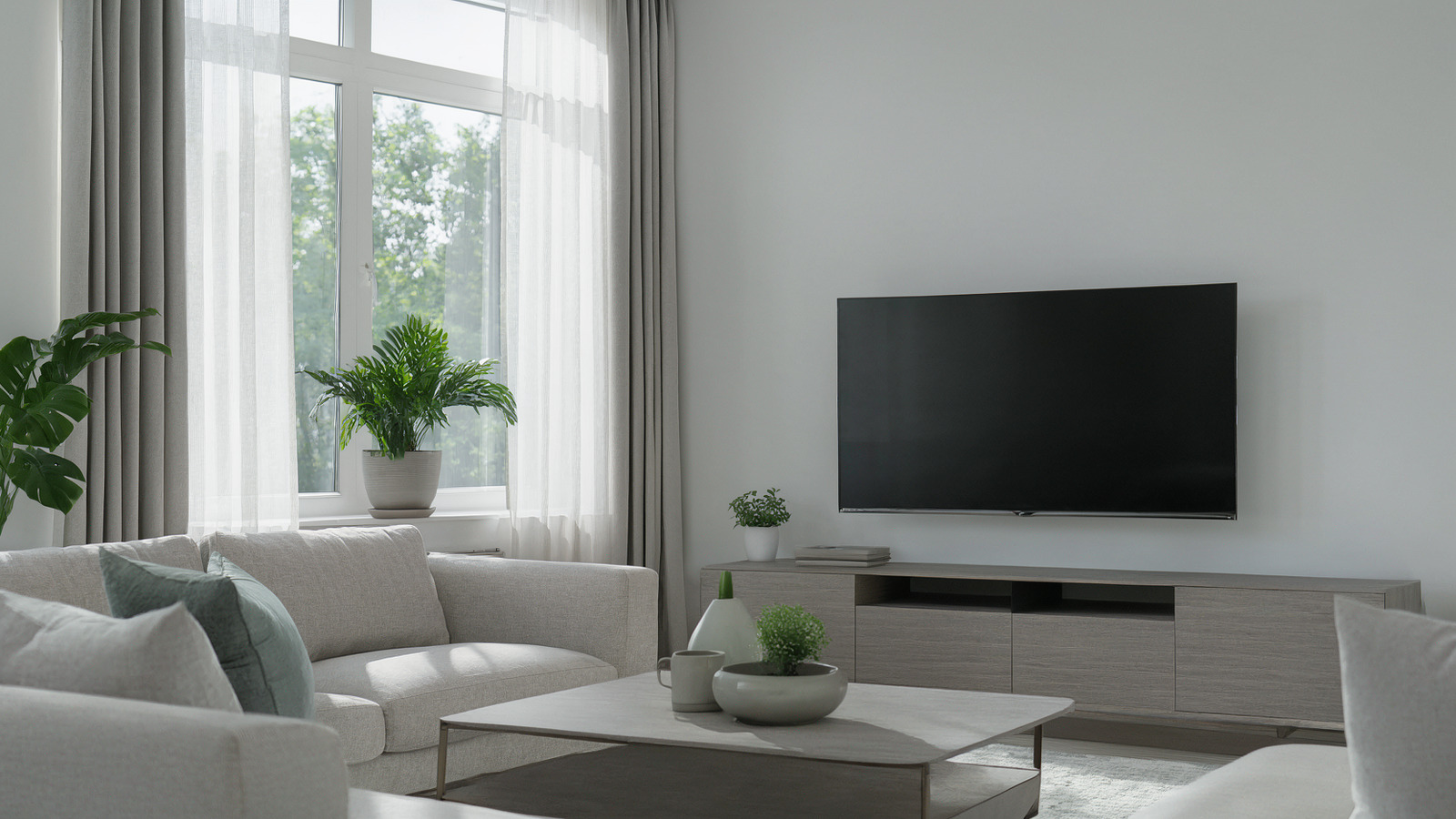
Short answer: Staging the living room is the most important room to stage in a home, according to 37 percent of buyers.
This is followed by staging the primary bedroom at 34 percent and staging the kitchen at 23 percent. By focusing on these key areas, real estate agents can help their clients' homes stand out to potential buyers and increase the chances of a quick sale at the best price.
The Power of Virtual Staging in Enhancing Your Listing's Appeal
One effective way to enhance your listing's appeal is through virtual staging. This innovative technique involves adding digital furniture, decor, and accessories to empty or poorly furnished rooms in your listing photos, making them more appealing to potential buyers.
Virtual staging is particularly effective in rooms that buyers find most important when making a purchasing decision. The report highlights that staging the living room is the most important room to stage in a home, followed by the primary bedroom and kitchen. By investing in virtual staging for these critical areas, you can showcase the property's full potential and help buyers envision themselves living there.
Moreover, virtual staging offers several advantages over traditional staging methods. It is a cost-effective solution that allows you to create multiple staged looks for your listing without the need for physical furniture and decor. This flexibility enables you to target different buyer demographics and preferences, increasing the chances of finding the perfect buyer for your client's property.
In addition to virtual staging, incorporating high-quality listing photos and videos can further enhance your listing's appeal. According to the same report, 57% of buyers' agents find traditional physical staging much or more important, while 48% and 43% find videos and virtual tours, respectively, important to their clients. By combining virtual staging with professional photography and engaging videos, you can create a comprehensive and immersive online experience that showcases your listing's best features.
In conclusion, virtual staging is a powerful tool that can help you make your client's property stand out in a competitive market. By investing in this innovative technique and complementing it with high-quality visual content, you can attract more potential buyers, increase your listing's appeal, and ultimately achieve a successful sale for your client.
Enhancing Your Listing with Professional Real Estate Photography
In today's digital age, high-quality real estate photography plays a crucial role in showcasing your client's property in the best possible light. A well-crafted photograph can capture the attention of potential buyers and make them envision themselves living in that space. Here are some key aspects to consider when investing in professional real estate photography for your listings.
First and foremost, professional real estate photographers have the expertise and equipment to capture your client's home in the most appealing way. They understand the importance of proper lighting, angles, and composition to highlight the property's best features. By using high-quality cameras and lenses, they can produce sharp, vibrant images that showcase the property's unique characteristics.
Moreover, professional photographers are familiar with the specific requirements and standards of real estate listing platforms. They know how to frame shots to meet the guidelines of popular sites like Zillow, Trulia, and Realtor.com. This ensures that your listings are presented in a consistent and professional manner, increasing the chances of attracting potential buyers.
In addition to the main living areas, it's essential to capture important features of the property. According to the 2025 Profile of Home Staging Report, the most common rooms that were staged included the living room (91 percent), primary bedroom (83 percent), and dining room (69 percent). By focusing on these key areas, professional photographers can effectively showcase the property's most appealing aspects.
Furthermore, real estate photography goes beyond just capturing the property's interior. Professional photographers also take advantage of the surrounding landscape, capturing the property's exterior, surrounding neighborhood, and any unique features that set it apart from others in the market.
Investing in professional real estate photography can significantly enhance your client's listing, making it stand out from the competition. By showcasing the property's best features and adhering to industry standards, you can attract more potential buyers and ultimately help your client sell their home faster and at a better price.
The Power of 3D Home Staging: Enhancing Your Client's Listing
When potential buyers are browsing through listings online, they are drawn to homes that showcase their best features. This is where 3D home staging comes into play. By utilizing cutting-edge technology, real estate agents can transform their client's property into a visually appealing and welcoming space, even before the buyer steps inside.
3D home staging involves creating virtual renderings of a property's interior, allowing agents to showcase their client's home in a polished and inviting way. Unlike traditional staging, which relies on physically arranging furniture and decor, 3D staging provides a more accessible and cost-effective solution. It enables agents to experiment with different design concepts, layouts, and color schemes without the need for actual furniture or props.
One of the key advantages of 3D home staging is its ability to highlight a property's unique features and selling points. By strategically placing virtual furniture and decor, agents can create a cohesive and visually appealing atmosphere that draws buyers in. This virtual staging technique can be particularly effective for vacant properties or those with minimal decor, as it helps potential buyers envision themselves living in the space.
Moreover, 3D home staging allows agents to showcase a property's potential, even if it is currently outdated or in need of renovations. By adding virtual furniture and decor, agents can create a fresh and modern look that appeals to today's buyers. This can be especially beneficial for properties that may require some updates or improvements, as it helps buyers see the home's full potential.
When it comes to marketing your client's listing, 3D home staging can be a game-changer. By incorporating high-quality virtual renderings into your online listings, you can create a more engaging and immersive experience for potential buyers. These visually appealing images can help your client's property stand out from the competition and attract more interested buyers.
In addition to enhancing the visual appeal of your client's listing, 3D home staging can also save time and money. Traditional staging requires physical arrangements, which can be time-consuming and costly. With 3D staging, you can quickly create multiple design concepts and showcase them to your clients, allowing them to make informed decisions without the need for actual staging setups.
Enhancing Your Listing Photos: Realtor Tools
When it comes to showcasing your client's property in the best light, having the right tools at your disposal can make all the difference. In today's competitive real estate market, high-quality listing photos are essential for capturing the attention of potential buyers. By utilizing various realtor tools, you can elevate your listing photos and give them the edge they need to stand out.
One such tool is the use of high-quality real estate photography. Investing in professional-grade cameras and lenses can significantly improve the overall quality of your listing photos. A sharp, well-composed image can showcase the unique features of a property, making it more appealing to potential buyers. Additionally, using the right lighting techniques can enhance the mood and ambiance of a room, making it feel more inviting and spacious.
Another tool in your arsenal is the ability to identify and address common issues in listing photos. Clutter, for example, can be a major turnoff for potential buyers. By removing or minimizing clutter in your photos, you can make the space feel more open and welcoming. Similarly, ensuring that the lighting is even and consistent throughout the photos can create a cohesive and visually appealing presentation.
Furthermore, understanding the psychology behind home staging can help you make informed decisions when it comes to showcasing your client's property. By focusing on the most important rooms, such as the living room, primary bedroom, and kitchen, you can prioritize which areas to stage and photograph first. This strategic approach can save time and resources while still effectively highlighting the key features of your client's home.
In addition to these tools, being aware of common staging mistakes can help you avoid pitfalls. Over-staging a room, for example, can make it feel cluttered and cramped. Similarly, staging a room with furniture and decor that doesn't fit the property's style can be off-putting to potential buyers. By avoiding these mistakes, you can create a cohesive and visually appealing presentation that showcases your client's property in the best possible light.
By leveraging these realtor tools and making informed decisions when it comes to your listing photos, you can give your client's property the edge it needs to stand out in a competitive market.
Frequently asked questions
What is virtual staging in real estate?
Virtual staging is the process of digitally enhancing or creating interior scenes for property listings to make them more appealing to potential buyers.
Is virtual staging legal in real estate?
Yes, virtual staging is legal in real estate as long as the property's condition and features are accurately described and any modifications are clearly disclosed.
Want this done to your listing? Send it over and we'll build a free before/after — no call, no commitment: see the free preview.